
Why Community Gardens Matter
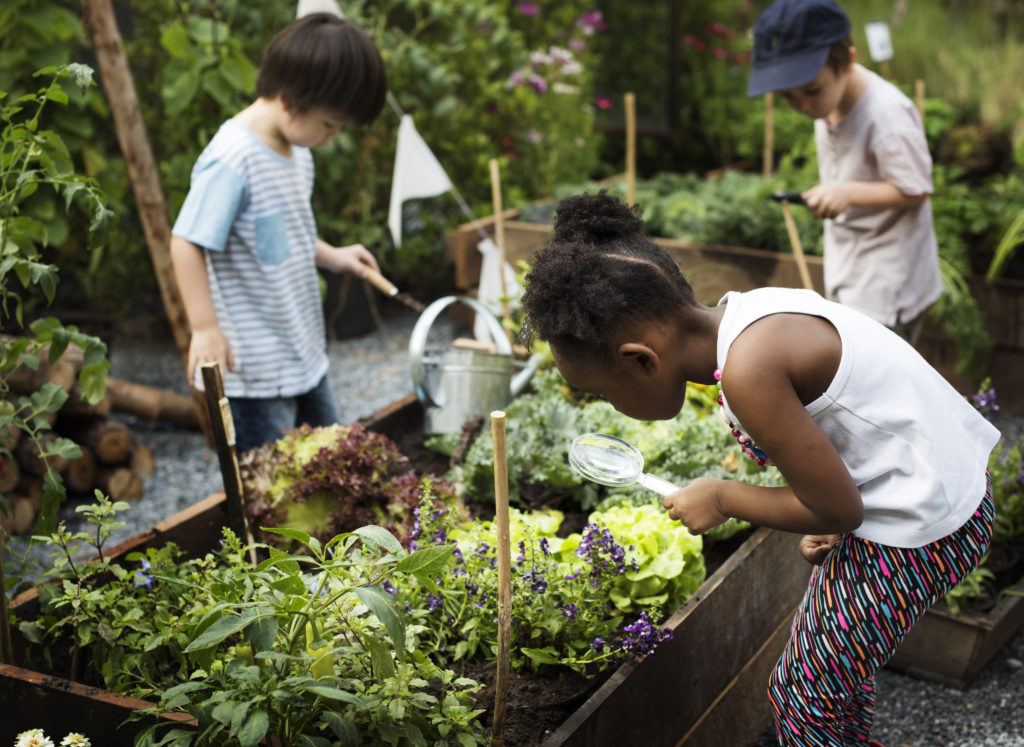
Community gardens are more than green spaces. They are tools for food access, education, and neighborhood connection. In Tulsa, where many families face barriers to fresh produce, gardens offer a way to grow food locally, teach practical skills, and build stronger communities.
The Current Situation in Tulsa
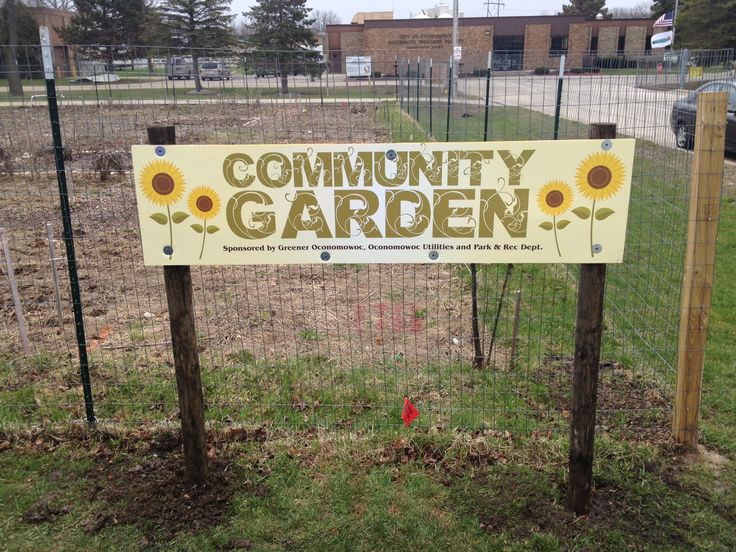
Tulsa has several active gardens, including Tipton Community Garden, Kendall Whittier GROW, and Crosbie Heights. These spaces serve schools, nonprofits, and local families. Even with these efforts, the need is growing faster than the number of available gardens. Many neighborhoods still lack easy access to fresh food or safe outdoor learning spaces.
Challenges That Slow Progress
Tulsa has the interest and the land, but several barriers make it difficult to expand community gardens.
Without long-term support, gardens can lose momentum or fall into disrepair.
Land access can be complicated because of zoning rules or unclear ownership.
Funding for soil, fencing, tools, and water systems is limited.
Some neighborhoods are not aware that starting a garden is possible.
What Tulsa Needs to Move Forward
Tulsa would benefit from more public education about how to start gardens, more partnerships with schools, and more youth programs that teach gardening skills. Neighborhood groups can help maintain gardens, and city support can make land access easier. When these pieces come together, gardens become stable and long lasting.
How Residents Can Help
Anyone can support the growth of community gardens.
Partner with schools or nonprofits to start new garden spaces.
Volunteer at existing gardens.
Donate tools, soil, or funds.
Advocate for garden-friendly policies at city meetings.
A Healthier Future for Tulsa
Community gardens help reduce food insecurity, teach valuable skills, and bring people together. Tulsa has the potential to grow many more of these spaces. With community support and thoughtful planning, gardens can become a powerful part of the city’s future.